
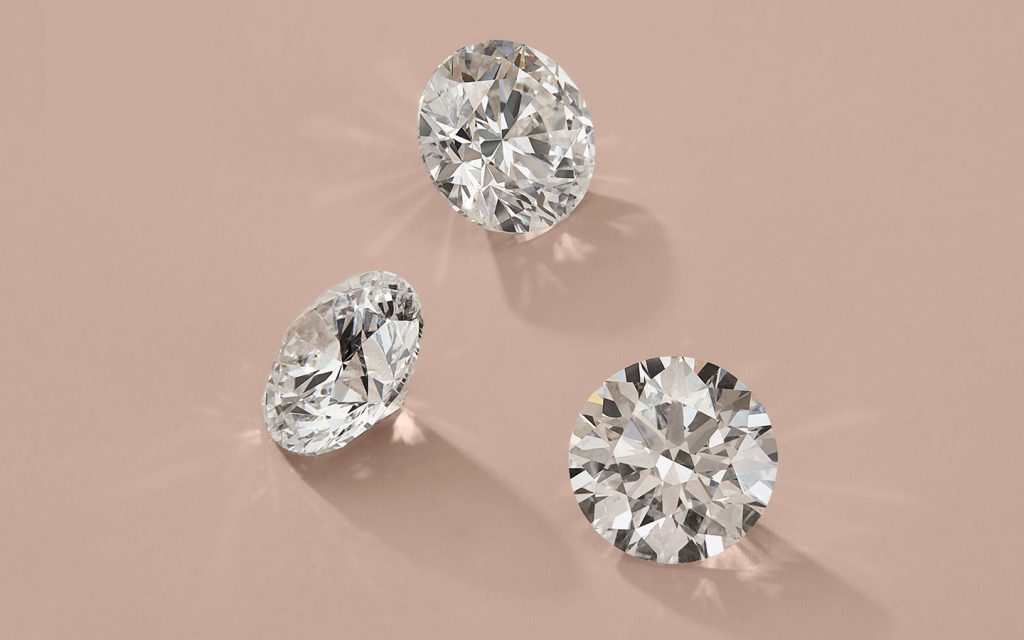
The Truth About IGI vs GIA Lab Grown Man Made Diamonds
Let’s be honest—buying a diamond shouldn’t feel like decoding a scientific journal.
But then you hear about IGI vs GIA lab grown certifications and suddenly you’re knee-deep in acronyms, grading reports, and Google searches. It’s a lot.
Especially when you’re just trying to buy a beautiful ring. Or pendant. Or something that says, “I love you, and also I did my research.”
If you’re looking at man made diamonds, you’ve already made a smart move. But before you swipe your card, there’s one more thing worth understanding:
What’s the real difference between IGI and GIA when it comes to grading lab grown diamonds?
Let’s unpack it—without the gemologist jargon.
Table of Contents
Backstory: What’s With All the Letters?
Here’s a little context.
Every diamond—whether mined or lab created—needs a “report card.” That’s what diamond grading labs like GIA (Gemological Institute of America) and IGI (International Gemological Institute) provide.
They assess the diamond’s quality across the 4 Cs: cut, color, clarity, and carat weight.
Sounds simple, right?
But—and this is where it gets juicy—not all grading labs are created equal.
Historically, GIA has been the gold standard for grading mined diamonds. It’s known for being strict, traditional, and highly respected across the industry.
IGI, on the other hand, has been more flexible and was among the first to embrace lab grown diamonds openly and consistently. So while GIA was still warming up to the idea of man made diamonds, IGI was already grading them like pros.
So… IGI vs GIA Lab Grown: What’s the Deal?
Let’s break it down like we’re chatting over coffee.
1. Availability & Speed
- IGI: Most lab grown diamonds you’ll find online—especially from direct-to-consumer brands—come with IGI grading. Why? IGI is faster, more accessible, and has embraced lab diamonds from the start.
- GIA: Only started grading lab grown stones consistently around 2019–2020. And even then, they were… cautious.
Translation? If you want a wider selection of certified man made diamonds, IGI is more common. But GIA’s catching up.
2. Grading Style
- IGI tends to be a little more lenient (or, depending on who you ask, optimistic) with color and clarity grades.
- GIA is known to be stricter, especially with clarity.
But here’s the thing: the difference between an F and a G color grade, or a VS1 and a VS2, is barely noticeable to the naked eye.
So unless you’re a jeweller with a microscope… it might not matter as much as you think.
3. Report Format
This one’s actually interesting.
- IGI reports are detailed and easy to read. They’ve also been consistent in listing whether the diamond is lab grown.
- GIA reports used to call lab diamonds “synthetic” (ouch), which turned off a lot of buyers. They’ve since updated their language to “laboratory-grown” (much better), but some older reports still carry that outdated term.
So if you’re buying a man made diamond, the wording on your certificate might vary depending on who graded it—and when.
Trends, Tips & Real Talk
Let’s pause and talk human-to-human.
If you’re shopping for an engagement ring, pendant, or even earrings, here’s what you should actually focus on:
What Matters Most:
- The look of the stone – You’ll be wearing it, not framing the certificate.
- The price-to-quality ratio – IGI-certified diamonds often cost a bit less than GIA, even for similar grades.
- The source – Buy from a trustworthy retailer who explains both the diamond and the certificate clearly.
And here’s a hot take: if you’re going with lab grown, IGI may be the more practical and accessible choice for now.
The Local Angle: Does Location Change the Game?
Yes—and no.
In places like the U.S. and Canada, IGI dominates the lab grown market. Especially for online stores. They’ve made it easy for brands to get stones graded fast and affordably.
In Europe and parts of Asia, GIA still holds prestige, and some buyers won’t even consider anything without a GIA report. It’s a cultural thing.
But this is shifting—especially as more people (finally) understand that lab grown man made diamonds are just as real as mined ones.
In fact, in many jewellery hubs (like Hong Kong, Melbourne, and even Dubai), stores now stock both GIA and IGI lab diamonds—because customers are asking for both.
That’s the power of an educated shopper.
The Process: What to Actually Do When Shopping
Here’s how to avoid analysis paralysis:
Step 1: Choose Your Diamond Type
Mined or lab grown man made diamonds? If you’re here, I’m guessing you’re leaning lab. Good call.
Step 2: Decide What You Care About Most
- Want peace of mind and prestige? Go GIA.
- Want value and variety? IGI’s your friend.
- Want to compare both? Many online retailers let you filter by grading lab.
Step 3: Focus on the Diamond, Not Just the Paper
Look at videos, magnified images, customer reviews. Don’t rely solely on that little grading report.
Step 4: Ask Questions
Good jewellers won’t shy away from explaining the IGI vs GIA lab grown difference. If they do? Walk away.
Final Thoughts
At the end of the day, the IGI vs GIA lab grown debate isn’t about right or wrong—it’s about what’s right for you.
Both labs are legit. Both grade man made diamonds professionally. And both have their place in the modern jewellery world.
But here’s the honest truth: your diamond’s sparkle won’t change depending on the logo on the certificate.
So trust your eyes. Trust your gut. And maybe trust the jeweller who doesn’t make you feel dumb for asking questions.
Because diamonds are forever, but buying one shouldn’t be complicated forever too.